



Pharmaceutical Laboratory Trace Analysis: Temperature and Humidity Compensation Techniques for 0.01mg Accuracy Balances
Analytical balances are essential tools used to weigh samples very precisely. They can measure tiny amounts. These can sometimes help you measure to two decimal places like 0.001 grams. Many things can cause them to give wrong readings if not handled properly. This is because these balances are so sensitive.
The balance must be calibrated to get accurate results. Calibration is like tuning the balance to offer better measurement. It is very important because it sets how accurate and reliable the measurements will be. You can always count on it to give consistent and precise results this way.
Why Controlling Temperature and Humidity Is Important in Pharmaceutical Lab Trace Analysis?
Accurate lab testing depends on keeping the environment steady and controlled. Two key factors are temperature and humidity and they affect how samples and materials behave during experiments. Small changes can impact the accuracy of results and will make it hard for consistent results.
Special testing cabinets help keep temperature and humidity stable. It helps samples stay consistent and they will not get affected by outside changes.
For example, biological and chemical samples can spoil if temperature or humidity swings too much. Materials might change their strength and shape. They can also change electrical properties under different conditions. Steady conditions help cells and microorganisms grow properly in microbiology.
Precise control of temperature and humidity lets researchers copy real life or long term conditions accurately in tests like drug stability or aging studies. It helps labs to produce reliable and meaningful results that support strong scientific conclusions.
How Other Environmental Factors Affect Weighing Accuracy?
Modern lab balances are very precise. However, things in the environment can still affect their accuracy. Changes in temperature and other environmental factors can all cause the balance to give slightly different readings if not controlled properly.
Vibrations
Vibrations from nearby machines like mixers and centrifuges, or even foot traffic can shake the balance and cause errors. Putting the balance on a sturdy and vibration absorbing table helps keep it steady.
Airflow
Airflow from things like air conditioners and heaters, or open windows can cause the balance pan to move or shake. It can lead to unstable readings. Balances should be placed in calm areas or have draft shields to block air currents to avoid this.
Static Electricity
Static electricity can build up on containers, especially plastic ones. They can create extra forces that affect the weight. Using glass containers and keeping humidity at a moderate level can reduce this problem.
Pharmaceutical labs can keep their balances working accurately and get reliable results. This is especially when precise measurements are needed. They can do so by controlling these environmental factors.
Keeping the lab environment steady and protecting the balance from environmental factors helps to make sure your weighing is always correct and dependable.
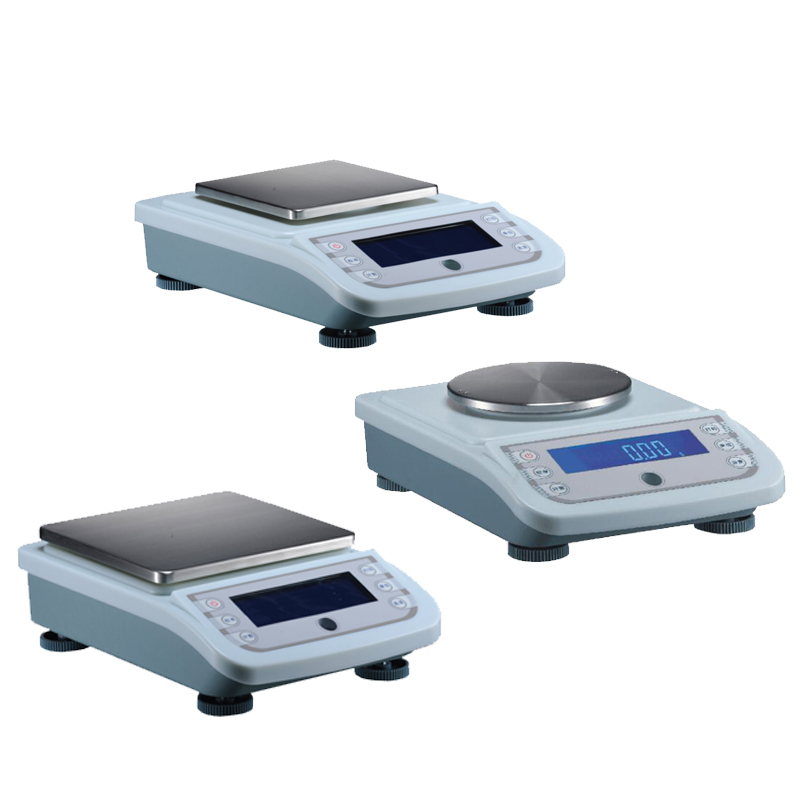
How Analytical Balance Manufacturers Handle Environmental Changes?
Analytical balance manufacturers use smart technology to keep measurements accurate even when the lab environment changes.
Here are the key ways they do this.
Electromagnetic Force Compensation Sensors
Modern balances use a system called electromagnetic force compensation. This means the balance creates an electromagnetic force that exactly balances the weight of the sample. This system can adjust itself when things like temperature change because it reacts quickly. This helps in keeping the reading steady.
These balances also have built-in temperature sensors that automatically correct any small changes caused by parts expanding or shrinking inside the balance due to heat. This helps keep the measurements reliable.
Active Temperature Monitoring and Correction
Some balances have sensors inside that constantly check the temperature of the balance and the air around it. The balance automatically adjusts its calculations before the next weighing if the temperature changes by more than 1°C.
This feature is especially helpful when the lab’s heating or cooling system causes small temperature shifts. It can also be useful when the balance is near equipment that gives off heat like microscopes or ovens.
Humidity Compensation through Chamber Design
Analytical balance manufacturers design special chambers that control humidity and airflow. These help to keep measurements accurate especially when weighing tiny amounts. These sealed weighing chambers help protect samples from sudden changes in moisture. Some balances even have sensors inside that check the humidity level. They can then automatically adjust the measurement if humidity changes by more than 5%.
Manufacturers use antistatic materials for the weighing pans and sample holders to reduce errors caused by static electricity. This helps to prevent static charges that can affect readings, especially in dry air.
Smart Environmental Control Systems
High-end lab balances often come with advanced environmental control systems. These systems monitor and record important factors like:
· Room temperature and humidity
· Air pressure
· Vibrations
This data helps keep conditions stable and ensures the balance gives reliable results. These systems also provide proof during audits that all measurements were done under controlled conditions. This happens when these are connected to a Laboratory Information Management System (LIMS).
Best Practices for Operators in Weighing Processes in the Lab
Human mistakes can still affect weighing accuracy even with advanced balances and controlled environments. That is why having well-trained operators and following consistent steps is very important for getting reliable results.
Each time you weigh something, follow the same routine.
· Make sure to zero the balance correctly.
· Place samples gently on the scale, and wait for the number to settle before recording it.
· Avoid sudden movements or dropping samples on the balance as this can cause the reading to jump around.
Keeping good records is just as important.
Write down details like the date and time. You also need to note who did the weighing and the equipment used. Whether it was calibrated is another important factor to consider. This helps during audits and makes it easier to check or fix any problems later.
Regular training helps operators to stay sharp on the right techniques and understand why accuracy matters so much in lab work. Encouraging ongoing learning like reviewing mistakes or improving how things are done is important. It helps to keep weighing accurate and trustworthy.
Final Thoughts
Getting precise measurements depends on controlling the environment as well along with the balance’s design in pharmaceutical testing. The EMA requires balances to be accurate to 0.01 mg. This has led analytical balance manufacturers to improve how their balances handle temperature and humidity changes.


We also provide customized electronic balances/ laboratory scales with special functions according to customer needs.
PRODUCTS
If you have any question, please contact us.
Tel: 0086-(0)519-85286336
Mobile: 0086-136 0612 1307
E-mail: weighinginstru@gmail.com
Wechat/Whatsapp: 0086-136 0612 1307
Add: Huayuan Road, Mudu Town, Jiangsu Province, PRC