



Balance Applications in Food Safety Testing: From Nutrient Analysis to Contaminant Detection
Food safety testing is important to protect consumers and keep trust in food brands. Labs depend on accurate weighing for every step of testing whether it is checking nutrition labels or finding harmful contaminants. Issues in weighing can cause wrong results alongside failed inspections or expensive recalls. That is why food testing labs rely on dependable balances from experienced suppliers.
Modern food testing covers many types of samples and testing goals. Each test needs different levels of balance accuracy and stability alongside ease of use. Trusted precision balance manufacturers create weighing tools that meet these varied needs while helping labs follow regulations and work efficiently.
How Analytical Balances Help in Food Safety Testing?
Analytical balances are used throughout the food testing process and supporting routine tests. It also used for safety checks and research. Accurate weighing is the first step in almost every food test. Having a reliable balance is a key to getting trustworthy results.
Food safety labs often weigh samples for the following.
Checking nutrition facts
Precise weighing measures protein and fat along with vitamins and minerals to make sure nutrition labels are correct. This helps consumers know what they are eating.
Verifying food additives
Balances confirm that preservatives and sweeteners are within safe legal limits. This keeps food products safe and compliant.
Microbial testing
Accurate sample weights ensure the right dilution for counting bacteria or other microbes. This affects how reliable the test results are.
Detecting contaminants
Very small amounts of heavy metals or chemical residues must be weighed carefully to avoid false alarms or missed dangers.
Each type of test needs the right precision and careful sample handling to get accurate results.
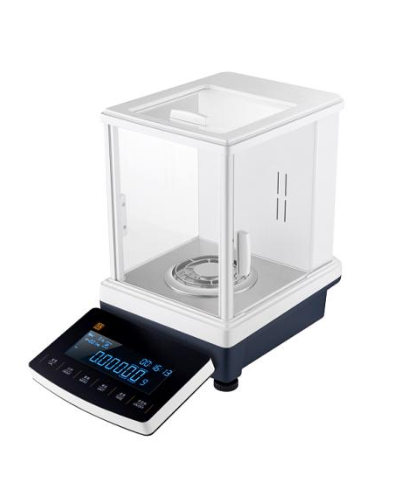
Nutritional Component Analysis
Nutrition testing measures key parts of food like protein and fat. It also measures carbohydrates and vitamins alongside minerals. These numbers need to match what’s on the label and follow national food rules.
For example, fat analysis requires careful weighing before and after fat is removed. Protein tests need exact sample weights to get correct digestion and calculations. Vitamin and mineral tests often use very tiny sample amounts.
Even small weighing mistakes can change the final results and cause problems with labeling. Analytical balances that give steady readings help labs get consistent results every time. Working with a reliable balance supplier helps labs pick the right equipment for regular nutrition testing and keeps results repeatable.
Additive and Functional Ingredient Testing
Food additives like preservatives and colorings alongside sweeteners must be checked carefully to make sure they stay within legal limits. Functional ingredients in health foods like probiotics or plant extracts are often added in very small amounts.
These tests often need very precise weighing which can be down to micrograms in some cases, especially for strong concentrated ingredients. High sensitivity balances help labs avoid adding too much or too little, both of which can cause legal issues.
Balances used in additive testing also need to settle quickly because labs test many samples each day. Reliable balances help speed up testing while keeping results accurate.
Microbial Limit Testing
Microbial testing checks if food is clean and safe by counting bacteria or other microbes after growing them in the lab. Weighing is very important when preparing samples even though counting happens later,
Accurate weighing is needed for below.
· Make correct dilution solutions
· Keep the right ratio between sample and growth medium
· Get consistent microbial counts
If weighing is not consistent, colony counts can be wrong, which may cause unsafe products to pass or good products to fail. Balances from experienced precision balance manufacturer provide steady weighing. This is even when samples have moisture or uneven textures.
Contaminant Analysis in Food Products
Contaminant testing looks for tiny amounts of things like heavy metals and pesticide residues alongside chemical pollutants in food. These substances are so small, and they will need accurate weighing.
This testing usually follows national rules, like the GB 5009 series, which set strict methods and limits. Weighing samples accurately during preparation helps labs meet these rules and avoid mistakes that could lead to product recalls or legal problems.
Using high precision balances allows labs to find contaminants reliably and trust the results they report.
Understanding Precision Needs for Different Food Tests
Not all food tests need the same level of weighing sensitivity. Picking the right balance for each test makes work easier and more efficient.
A knowledgeable laboratory analytical balance supplier can help labs choose the right balance for each job. They don’t use equipment that is too simple or complicated for their needs.
Standard Operating Procedures for Sample Weighing
Having clear steps to follow helps reduce mistakes when weighing samples and keeps results consistent no matter who is doing the work or what shift they’re on.
Important steps include.
· Cleaning the weighing pans between each sample
· Using the right containers to prevent losing any material
· Letting the balance settle before writing down the weight
· Avoiding sudden movements while weighing
Following these simple rules helps reduce variation in results and keeps records clear and traceable. It is very important during inspections.
Improving Weighing Efficiency in Busy Laboratories
Food testing labs often have tight schedules and slow weighing can hold up the whole testing process.
Some easy ways to speed things up.
· Organize sample prep areas to handle samples faster
· Use balances that stabilize quickly
· Train staff on the best weighing methods
Labs can cut testing times by 20% or more while still keeping results accurate by making weighing faster and smoother.
Final Thoughts
Food testing labs do best when they work with laboratory analytical balance supplier who understands the challenges of food safety. A good laboratory balance supplier does not just sell equipment. They also offer advice on picking the right balance, how to use it properly, and how to keep it in good shape.
Having reliable balances helps labs keep testing accurate over time, makes workflows smoother, and supports better decisions throughout food safety work.
Weighinginstru.com offers a wide selection of analytical balances for both labs and industrial use. They have experience working with food testing labs and provide weighing solutions that focus on accuracy, efficiency. This precision balance manufacturer helps in meeting regulatory requirements.


We also provide customized electronic balances/ laboratory scales with special functions according to customer needs.
PRODUCTS
If you have any question, please contact us.
Tel: 0086-(0)519-85286336
Mobile: 0086-136 0612 1307
E-mail: weighinginstru@gmail.com
Wechat/Whatsapp: 0086-136 0612 1307
Add: Huayuan Road, Mudu Town, Jiangsu Province, PRC