



Sustainability in Precision Measurement: Eco-Friendly Features in Modern Electronic Balances
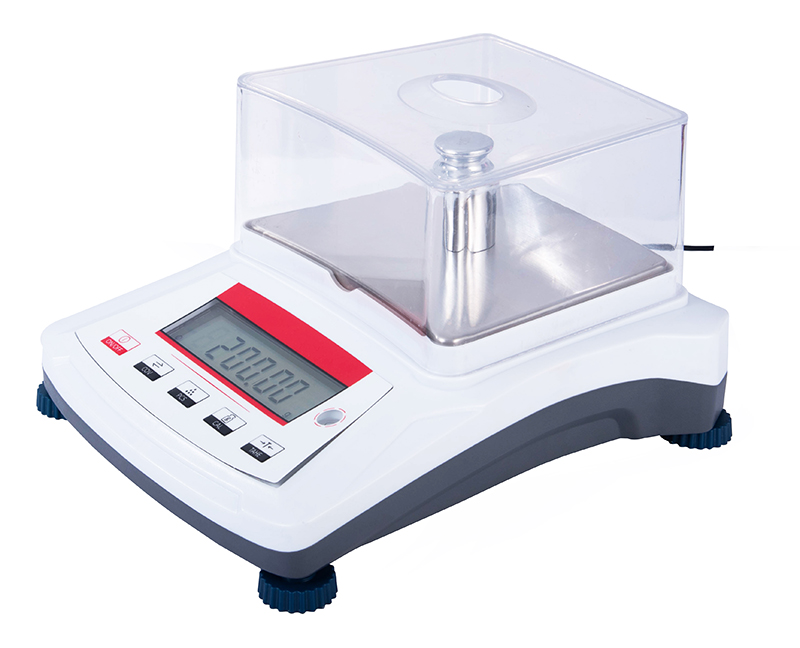
The importance of sustainability is increasing in today’s modern era. Therefore, even small scientific tools like electronic balances are evolving to meet environmental requirements. Electronic balances are widely used in industries, labs, and educational institutes. They are now being built in a way that not only provides accuracy but also eco-friendliness. This reflects a bigger shift in science and technology by doing things smarter.
In this article, we will explore how sustainability is becoming a key focus in precision measurement and the eco-friendly features available in today’s electronic balances. Furthermore, we will disclose the importance of choosing environmentally conscious lab equipment.
Why Sustainability Matters in Precision Instruments
A weighing balance may not seem to contribute to any pollution or waste, but when you observe deeply you can realize that the energy consumed by the balance and the materials used has a significant impact on the environment. A large number of balances running at a time in an industry can use up a significant amount of electricity. This leads to high energy bills and a bigger carbon footprint over time.
Another issue is that of electronic waste. Many old balances are just piled up as a waste. These balances contain many tiny parts inside such as heavy metal or plastic. Improper disposal of these waste can harm the environment. Therefore, electrical balances with a sustainable design like those from W & J Instruments are a necessity now.
Eco-friendly Features in Modern Electronic Balances
⮚ Energy Efficiency
One of the main improvements in modern electrical balances is the advancement in the consumption of electrical energy. Older instruments often run constantly and waste power even when not in use. Newer models are built to be energy efficient. They use advanced microchips and software to decrease power consumption and save energy. Some of the prominent features include:
• Auto Power-Off Function: The balance shuts down by itself after a period of inactivity.
• Low-Power Modes: Some instruments have low-power or power-saving modes that use minimal energy.
• Solar-Powered Options: Some advanced balances use solar energy decreasing the use of electricity. It also reduces reliance on traditional power sources.
As a result, the use of electrical energy is minimized which saves money and resources over time while prolonging the balance’s life.
⮚ Longer Lifespan
A major sustainability issue with electronic devices is the short life span. This results in frequent replacement and more waste. The best way to reduce environmental impact is to make instruments that last longer. When balances are designed to last for many years, there is minimal replacement required and overall less production of waste. It results in cost savings and a safer environment. Some modern instruments that are designed for durability like those from W & J Instruments are often built with:
• Robust Construction: These instruments are made up of durable materials that resist wear and tear.
• Modular Design: Instead of discarding the whole unit, individual parts can be repaired and replaced.
• Corrosion-Resisted Coatings: Balances are protected from corrosion by harsh lab environments.
⮚ Use of Eco-Friendly Materials
Sustainability not only relies on energy consumption but also on the use of eco-friendly materials that are either recyclable or biodegradable. For example, recyclable plastics or metals like aluminum are used instead of no recyclable plastics. Furthermore, nontoxic chemicals are used instead of harmful compounds, in the circuits or soldering materials. This makes the disposal safer, preventing harm to the environment.
Packaging is often ignored when thinking of sustainability, however, it makes a significant impact. Traditional packaging includes heavy plastics and Styrofoam which are hard to recycle and bad for the environment. The use of recyclable cardboard and degradable padding in the packaging reduces the amount of pollutants entering the environment.
⮚ Digital Integration and Paperless Records
Many users still rely on paper records for measurements. This leads to the addition of unnecessary waste to the environment. Newer advanced balances feature the ability to store and share the measured data or records. The record can be sent directly to a computer or cloud. Some advanced models support Bluetooth and Wi-Fi features providing wireless transfer of the data. Furthermore, touchscreen displays and user interfaces minimize the need for additional devices such as keyboards.
All these features reduce the need for paper logs, printed reports, and written notes, resulting in minimized waste and enhanced efficiency.
Business Advantages of Sustainable Balances
In addition to environmental benefits, eco-friendly electronic balances offer business and practical benefits:
• Low energy consumption saves a significant portion of electrical bills over time.
• Balances with longer life spans reduce the replacement and maintenance-related costs.
• Prioritizing sustainability can improve brand reputation by attracting environmentally conscious partners and clients.
• Using energy-efficient and eco-friendly equipment helps labs to maintain compliance with green regulations.
• Modern eco-friendly balances offer better performance and precision, in addition to environmental benefits.
The Role of the Customer
In addition to making eco-friendly equipment by the manufacturer, customers also have a role to play in maintaining a safer and healthier environment. It includes:
● Choosing brands that support sustainability ( like W & J Instruments).
● Turning off the devices, when not in use.
● Properly repairing or recycling of the old balances.
● Running balance on low power mode.
● Properly maintaining the instruments.
Conclusion
Electronic balances may seem small and insignificant devices in the context of sustainability, but they are used in huge numbers worldwide. Making them eco-friendly is a smart step toward reducing environmental impact. Whether it is through energy savings features, durable designs and modulation, waste reduction, or digital displays and data recording, these small changes in equipment can lead to big benefits for the environment.
If you are looking to upgrade your lab tools, consider the eco-friendly options available. The future of precision measurement is not just about accuracy, but sustainability as well.
By choosing eco-friendly electronic balances from brands like W & J Instruments, you can maintain precision in your measurements while reducing the environmental impact.


We also provide customized electronic balances/ laboratory scales with special functions according to customer needs.
PRODUCTS
If you have any question, please contact us.
Tel: 0086-(0)519-85286336
Mobile: 0086-136 0612 1307
E-mail: weighinginstru@gmail.com
Wechat/Whatsapp: 0086-136 0612 1307
Add: Huayuan Road, Mudu Town, Jiangsu Province, PRC