



Precision Weighing Technology in Environmental Monitoring: Applications from PM2.5 to Heavy Metal Detection
Environmental monitoring is very important to keep people healthy. It also helps to create good environmental policies. Having accurate data is key to understanding risks and taking the right actions whether it is checking air pollution and water quality or soil contamination,. Precise weighing plays a big part in this process. Labs rely on balances from experienced laboratory analytical balance supplier to weigh tiny particles and trace metals accurately.
As pollution rules get tougher and labs need to detect smaller amounts, weighing technology must improve too. Trusted precision balance manufacturers provide stable and reliable instruments that work well both in the field and in the lab. It will be helping environmental agencies and labs meet these challenges.
Why Precision Weighing Matters in Environmental Monitoring?
Environmental samples often have pollutants in very small amounts. Small weighing mistakes can cause big differences in results which can affect important decisions and public trust. Accurate weighing helps make sure data is consistent across different locations and over time.
Precision weighing is important to produce trustworthy pollution measurements. It helps to track environmental changes over long periods and reduce uncertainty in reports
Balances used for environmental monitoring need to perform reliably in controlled settings and stay stable during many repeated tests.
Monitoring Air Particles (PM2.5 and PM10)
Air quality tests focus a lot on tiny particles called PM2.5 and PM10. These particles are collected on filters that labs weigh before and after collecting air samples. The difference in weight shows how much pollution is in the air.
The particles are very light and the balances need to be very sensitive to detect small changes. Even small changes in temperature or humidity can change the filter’s weight. That is why environmental labs use balances that give steady and reliable results every time.
Accurate weighing of these filters helps labs track changes in air pollution over time. It helps to support studies on health risks from pollution and provide data for making rules to control emissions.
Using balances from a trusted laboratory analytical balance supplier helps labs get consistent and accurate results at all monitoring sites.
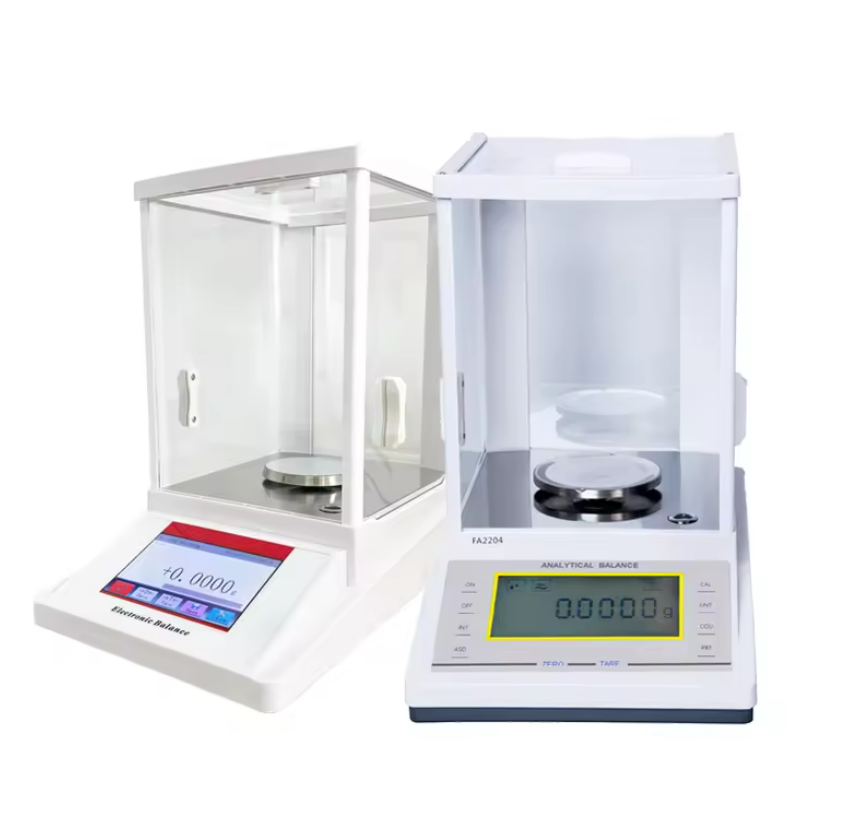
The Importance of Controlled Temperature and Humidity in Weighing
Weighing systems that keep temperature and humidity steady are very important when measuring tiny particles or low amounts of substances. Filters and samples can gain or lose moisture when the environment changes, which affects their weight.
Having a controlled environment helps with below.
· Reducing weight changes caused by moisture
· Letting samples settle and balance out before weighing
· Making sure measurements are consistent every time
Using these controlled conditions helps labs avoid mistakes caused by changes in the environment rather than real changes in pollution levels.
Measuring Suspended Solids in Water
Testing water quality often means measuring suspended solids. For example, tiny particles floating in rivers or wastewater. These solids are collected, dried and weighed to check pollution levels.
Accurate weighing is very important because pollution limits are usually very strict. Even small weighing errors can affect whether water meets regulations. So, accurate results are important as they help to guide treatment and discharge decisions
Balances used for water testing need to handle samples sensitive to moisture and give steady readings after drying. Careful sample handling and choosing the right balance help keep results accurate.
Preparing and Weighing Water Samples
Preparing water samples properly is just as important as using a good balance. Filters need to be dried in controlled conditions and cooled down before weighing. Handling samples too quickly or exposing them to humid air can change their weight.
Important steps include drying samples the same way every time with using clean and dry containers. One important thing is to set the balance settle before recording the weight.
Following these steps helps reduce mistakes and makes the data more trustworthy.
Detecting Heavy Metals in Soil
Soil tests often check for heavy metals like lead and cadmium along with mercury. These metals can be in very small amounts but still cause health problems.
Accurate weighing is needed during breaking down the sample for testing and preparing calibration standards alongwith measuring leftovers after treatment
Even small weighing errors can change the results and affect how risks are judged. Reliable balances designed for precise work help labs get accurate measurements.
Preparing and Weighing Soil Samples
Oil samples are usually dried, ground and sifted before testing. Each of these steps needs careful weighing to keep things consistent.
Good habits include following
· Using clean tools to avoid contamination
· Weighing samples after they have cooled to room temperature
· Avoiding air drafts during weighing
Accurate preparation and weighing help labs get reliable results and make it easier to compare samples from different places.
Choosing the Right Balance for Environmental Testing
Different environmental tests need different types of balances. Not every test requires the most sensitive or expensive equipment. Picking the right balance helps labs work better and keeps the results trustworthy without spending too much.
It is important to consider the following when choosing a balance.
Readability suitable for sample mass
The balance’s readability should match the weight of the samples. This avoids unstable readings and speeds up the weighing process without losing accuracy.
Readability suitable for sample mass
The balance needs to be stable for giving consistent results even during long testing sessions. This is very important when weighing tiny particles or low concentration samples multiple times.
Ease of cleaning and maintenance
It should be easy to clean and maintain since environmental samples often have dust, moisture or residue. A balance that is simple to clean helps to prevent contamination and keeps the lab running smoothly.
Working with a knowledgeable laboratory balance supplier can help labs pick the right equipment for both lab and field use. This saves money and ensures the monitoring results stay reliable.
Conclusion
Accurate weighing is a key part of environmental monitoring. Getting the weight right is key whether measuring tiny particles in the air or detecting small amounts of heavy metals in soil and water. Reliable results do not just come from good testing methods. They also depend on stable weighing conditions, careful sample handling and choosing the right balance.
Environmental agencies can make their data more trustworthy by using the right weighing equipment and controlling temperature and humidity. They can also follow proper sample preparation steps. Working with experienced precision balance manufacturer and knowledgeable suppliers also helps labs pick the best equipment for their real needs without spending extra money.


We also provide customized electronic balances/ laboratory scales with special functions according to customer needs.
PRODUCTS
If you have any question, please contact us.
Tel: 0086-(0)519-85286336
Mobile: 0086-136 0612 1307
E-mail: weighinginstru@gmail.com
Wechat/Whatsapp: 0086-136 0612 1307
Add: Huayuan Road, Mudu Town, Jiangsu Province, PRC